The Psychological Benefits of Hands-On Projects
In a fast-paced world dominated by technology and screen time, the importance of engaging in hands-on, creative projects cannot be overlooked. From painting and crafting to DIY endeavors, these activities go beyond mere hobbies; they offer a collection of psychological benefits that contribute to mental well-being. Let’s delve into the fascinating realm of hands-on projects and explore the profound impact they have on our minds.
- Stress Reduction:
Engaging in creative hands-on projects serves as a powerful stress-reliever. The tactile nature of these activities promotes mindfulness and presence in the moment. Focusing on the task at hand allows individuals to momentarily escape the pressures of daily life, creating a therapeutic effect that reduces stress levels and promotes relaxation.
- Enhanced Cognitive Function:
The process of planning and executing a hands-on project stimulates cognitive functions such as problem-solving, critical thinking, and spatial awareness. Whether you’re piecing together a puzzle or constructing a piece of furniture, these activities challenge the brain and encourage the development of new neural pathways, ultimately enhancing cognitive abilities.
- Boosted Mood and Emotional Well-being:
The act of creating something with your hands triggers the release of endorphins, the body’s natural feel-good chemicals. This surge in positive emotions contributes to an improved mood and an overall sense of well-being. Creative expression also provides an outlet for emotions, allowing individuals to channel their feelings into the project, leading to a sense of accomplishment and fulfillment.
- Increased Self-Esteem and Confidence:
Completing a hands-on project, whether big or small, instills a sense of achievement. This sense of accomplishment contributes to increased self-esteem and confidence. As individuals witness the tangible results of their efforts, they gain a greater appreciation for their capabilities and become more willing to tackle new challenges.
- Mindful Living:
Creative projects often demand focused attention, immersing individuals in the present moment. This practice of mindfulness not only reduces stress but also promotes mental clarity and an increased ability to concentrate. The repetitive motions involved in many hands-on activities can induce a meditative state, fostering a deeper connection between the mind and body.
- Social Connection:
Engaging in hands-on projects can be a communal experience, providing opportunities for social interaction. Whether participating in a group art class or collaborating on a DIY project with friends or family, these activities foster a sense of connection and camaraderie. Socializing while creating can strengthen relationships and provide a support system, further contributing to mental well-being.
Conclusion:
In a world where digital screens dominate our attention, the psychological benefits of engaging in creative hands-on projects are more relevant than ever. From stress reduction and enhanced cognitive function to improved mood and self-esteem, the positive impact of these activities extends far beyond the finished product. So, the next time you find yourself in need of a mental boost, consider picking up a paintbrush, molding some clay, or diving into any hands-on project that sparks your creativity. Your mind will thank you for it.
The Art of Pressing Wildflowers: Preserving Nature’s Beauty
In the world of arts and crafts, creativity often finds inspiration in the unlikeliest of places. Nature, with its infinite beauty, offers a boundless source of artistic inspiration. One particularly enchanting way to incorporate nature into your art and craft projects is by pressing wildflowers. In this blog post, we’ll explore the art of pressing wildflowers and how you can use these delicate botanical treasures to infuse your projects with the vibrant colors and intricate beauty of the natural world.
Why Press Wildflowers for Art and Craft Projects?
Pressing wildflowers is more than just a creative endeavor; it’s a way to capture the essence of the great outdoors and infuse it into your art and craft projects. Here are several reasons why you should consider incorporating pressed wildflowers into your creative endeavors:
- Natural Beauty: Wildflowers come in an astounding array of colors, shapes, and sizes. By pressing them, you can preserve their natural beauty and use them as decorative elements that breathe life into your projects.
- Versatility: Pressed wildflowers are incredibly versatile. You can use them in a wide range of craft projects, from greeting cards and scrapbooks to framed artwork and jewelry. The possibilities are limited only by your imagination.
- Eco-Friendly: Collecting wildflowers for pressing is an eco-friendly way to create art. Unlike synthetic materials, you’re utilizing a renewable resource without harming the environment.
- Meaningful Personalization: Adding pressed wildflowers to your projects allows you to infuse them with personal and emotional significance. You can commemorate a special event, celebrate a loved one, or simply express your appreciation for the beauty of the natural world.
Getting Started
Before diving into your creative journey with pressed wildflowers, it’s essential to gather the necessary materials and acquaint yourself with the pressing process:
1. Wildflower Gathering: Start by selecting a variety of wildflowers. Respect nature’s balance by not over-picking or disturbing local ecosystems. Ensure that the flowers are dry and free from insects or debris.
2. Pressing Materials:
- Flower press or heavy books
- Parchment paper or blotting paper
- Cardstock or craft paper
- Scissors
- Adhesives (optional)
The Pressing Process
Let’s explore the step-by-step process of pressing wildflowers:
1. Preparation: Trim the wildflowers, removing any excess leaves and stems, leaving only the blossoms and a small section of the stem.
2. Layering: Place the wildflowers between sheets of parchment paper or blotting paper. If you’re using a flower press, stack the flowers inside according to the press’s instructions. If not, you can use heavy books.
3. Apply Pressure: Close the flower press or stack the books on top of the flowers. Apply gentle, even pressure. Allow the flowers to press for approximately 2-3 weeks, replacing the parchment paper if it becomes damp.
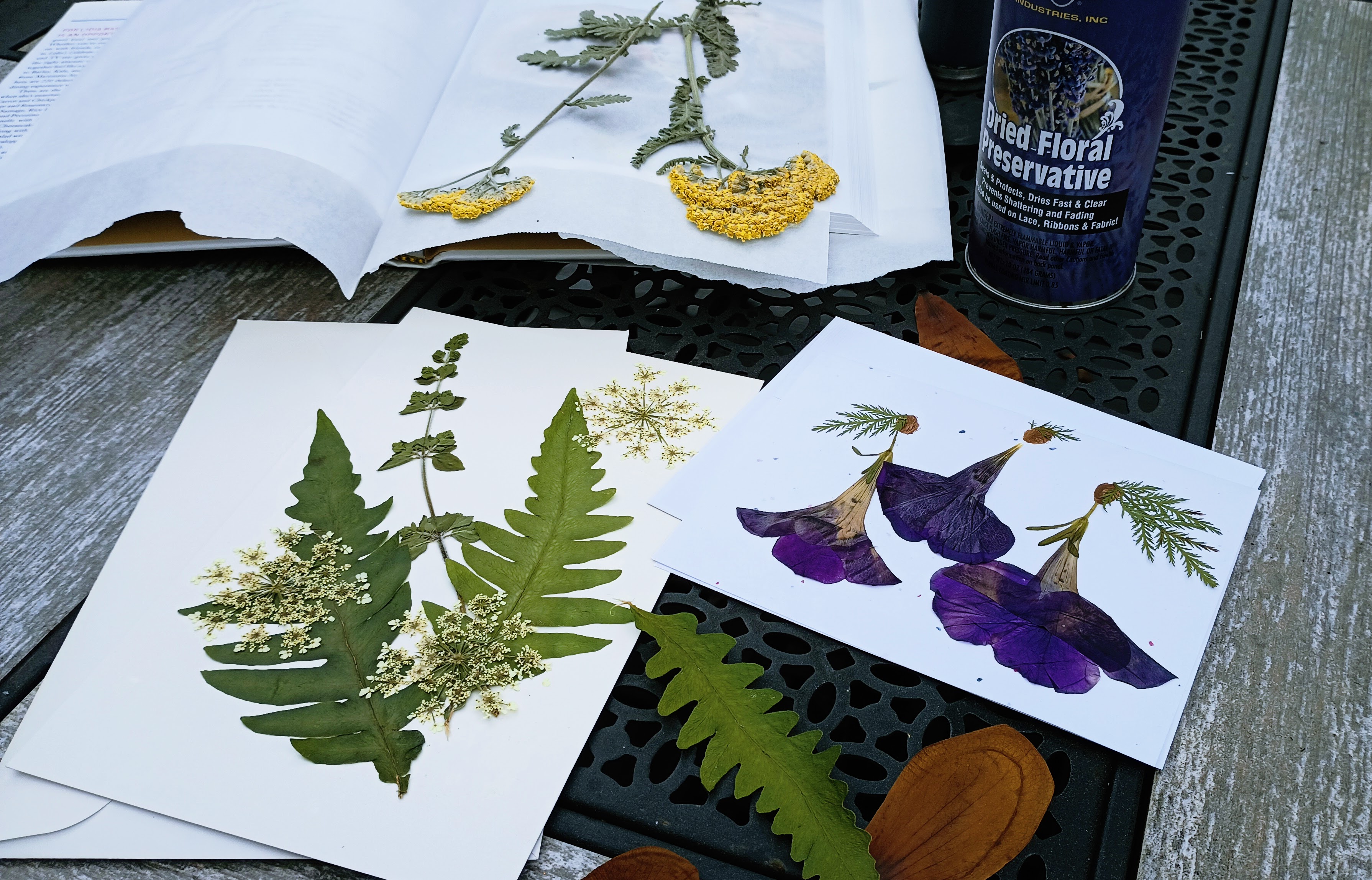
4. Creative Integration: Once your wildflowers are fully pressed and dry, they’re ready to be integrated into your art and craft projects. Use scissors to trim and arrange them on cardstock or craft paper. Experiment with compositions, colors, and designs.
5. Adherence: Depending on your project, you may want to use adhesive (I recommend Mod Podge) to secure the pressed wildflowers in place. You can also preserve the flowers’ longevity by spraying the piece with a dried floral preservative or UV-resistant spray (Krylon is a good brand).
Conclusion
Pressing wildflowers for art and craft projects is a delightful way to blend the magic of nature with your creative spirit. As you embark on this journey, you’ll discover the joy of crafting with elements of the natural world, infusing your projects with a touch of wild beauty that will captivate the hearts of those who behold them. So, grab your flower press or heavy books, explore the outdoors, and let the colors and shapes of wildflowers inspire your next masterpiece.
Embracing Freshness: The Health and Flavor Benefits of Using Fresh Produce in Appetizers like Salsa and Pesto
As food enthusiasts, we are constantly seeking ways to elevate our culinary experiences and tantalize our taste buds. One surefire way to achieve this is by incorporating fresh produce into our appetizers, particularly in delightful dishes like salsa and pesto. Not only do these two condiments add a burst of flavors to our meals, but they also offer a plethora of health benefits that processed alternatives simply can’t match. In this blog post, we’ll explore the numerous advantages of embracing fresh produce in your appetizers, making your meals not only more delicious but also nourishing for your body.
- Nutritional Prowess. Fresh produce, such as ripe tomatoes, bell peppers, onions, and herbs, are brimming with essential vitamins, minerals, and antioxidants. These natural nutrients play a crucial role in supporting our immune system, promoting healthy skin, aiding digestion, and reducing the risk of chronic diseases. By using fresh ingredients in your appetizers, you’re infusing your dishes with a wide array of beneficial compounds that your body will undoubtedly thank you for.
- Enhanced Flavor Profiles. When it comes to salsa and pesto, the flavor is everything. By using fresh ingredients, you’re guaranteed to get the most vibrant and authentic taste possible. Freshly-picked tomatoes bursting with sweetness, fragrant basil leaves, zesty citrus, and pungent garlic are unbeatable in their ability to create an explosion of taste on your palate. These natural flavors add depth and complexity to your appetizers, elevating them from merely good to absolutely exceptional.
- Lower Sodium and Preservatives. One significant drawback of store-bought salsas and pesto is their high sodium content and the addition of preservatives to extend shelf life. By making your appetizers with fresh produce, you have complete control over the salt content, allowing you to enjoy a healthier option with significantly lower sodium levels. Moreover, avoiding preservatives ensures that you’re consuming only real, wholesome ingredients, reducing potential health risks associated with these additives.
- Customizable Creations. Fresh produce empowers you to create appetizers that suit your personal taste preferences. You can tailor the ingredients to your liking, experiment with unique flavor combinations, and adjust the spiciness to your desired level. Whether you prefer a mild and tangy salsa or an aromatic and bold pesto, using fresh ingredients allows you to customize your appetizers to perfection.
- Environmental Sustainability. Using fresh produce in your appetizers is not only good for your health but also for the environment. Locally sourced, seasonal ingredients often have a lower carbon footprint as they require less transportation and refrigeration. Additionally, by supporting local farmers and buying produce in its natural state, you contribute to the sustainability of agricultural practices, helping to preserve the land for future generations.
- Culinary Exploration. Embracing fresh produce in your appetizers opens up a world of culinary exploration. With an abundant variety of fruits, vegetables, and herbs available, you can experiment with diverse tastes, colors, and textures. Try creating a tropical fruit salsa with mangoes and cilantro or a vibrant pesto with sun-dried tomatoes and pine nuts—the possibilities are endless!
Conclusion
Incorporating fresh produce into your appetizers, such as salsa and pesto, is a culinary journey that offers a myriad of benefits. From the nutritional boost to the heightened flavors and reduced environmental impact, the advantages of using fresh ingredients in your dishes are simply unmatched. So, the next time you’re in the kitchen, reach for fresh tomatoes, aromatic herbs, and vibrant vegetables, and let your creativity flourish as you whip up appetizers that not only tantalize your taste buds but also nourish your body and soul. Happy cooking!
Recipes
Pico de Gallo
1/2 cup of red onion, diced
1 jalapeno pepper, diced
1/8 cup of lime juice
salt
5 plum tomatoes, diced
1/4 cup of chopped fresh cilantro
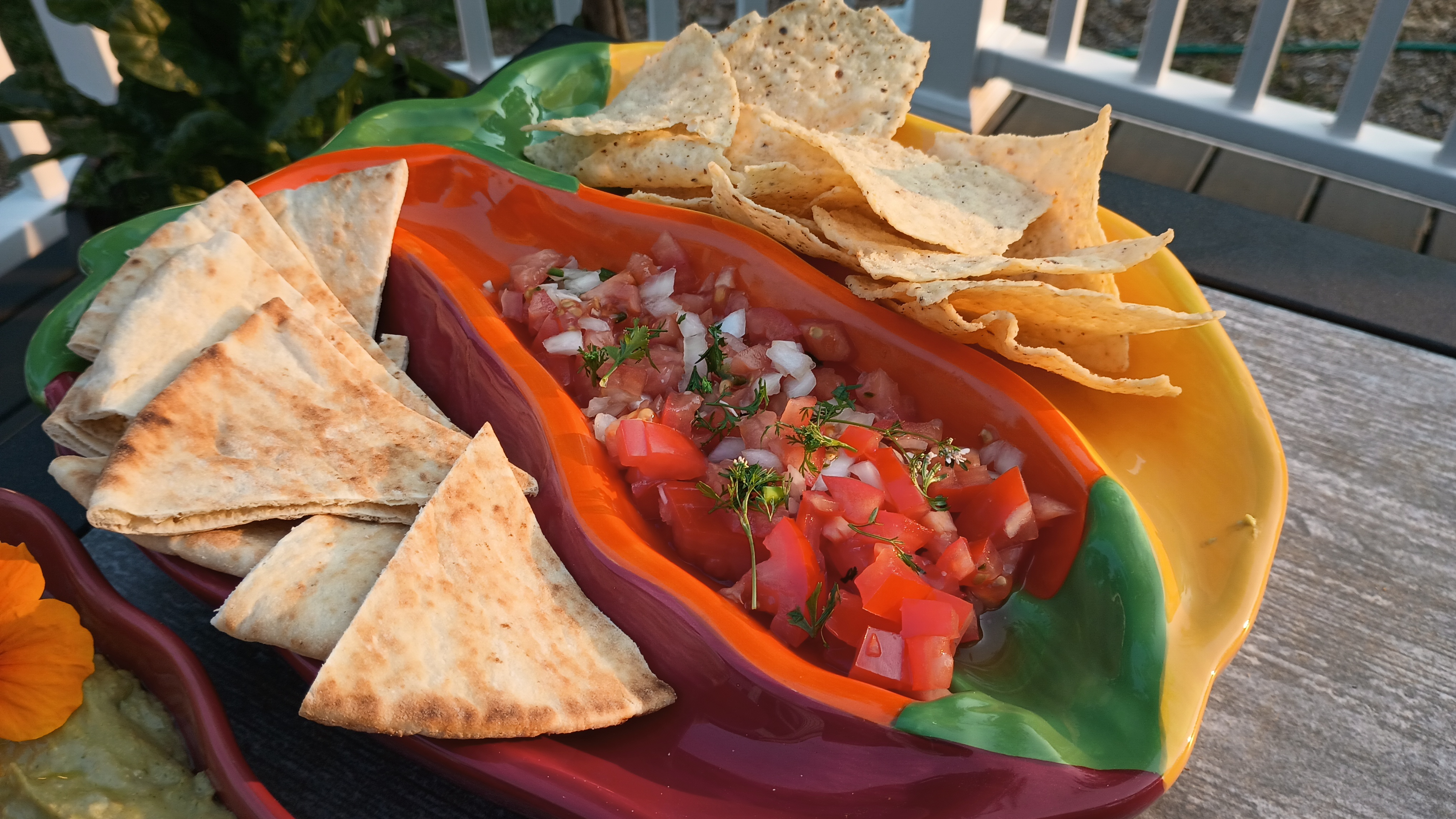
Combine the onions the onions and peppers in a bowl with lime juice and salt. Allow this combo to marinate for 5 minutes, then add the tomatoes and cilantro. Serve with tortilla chips.
Pesto
2 cups of fresh basil leaves (or other leafy green – spinach, Swiss chard, nasturtium, kale, etc.)
1/2 cup of pine nuts, walnuts, or slivered almonds
1 clove of garlic
1/2 cup of olive oil
1/4 cup of Parmesan
Salt, pepper, & a squeeze of
lemon juice for flavor
Toast the almonds in a dry frying pan for 1 minute. Combine all other ingredients in a food processor, adding oil until you have a consistency that suits you. Add a squeeze of lemon to boost flavor and preserve color.

Elements of a Good Mocktail…
Mocktails have taken the world by storm, offering a delightful alternative to alcoholic beverages. These alcohol-free concoctions are not only refreshing but also provide a sophisticated and enjoyable experience for everyone, regardless of their drinking preferences. Crafting a good mocktail involves a careful balance of flavors, textures, and presentation. In this blog post, we will explore the essential elements that contribute to the creation of a truly outstanding mocktail.
- Quality Ingredients: Just like in any culinary masterpiece, the quality of ingredients plays a vital role in the success of a mocktail. Freshly squeezed citrus fruits like grapefruit, lime, or lemon provide a refreshing kick, while high-quality mixers will elevate the taste and overall experience of your mocktail.
2. Adding a Spicy Kick: Ginger is renowned for its distinct and fiery flavor profile, making it an ideal ingredient to infuse mocktails with a spicy kick that replaces alcohol. Whether using fresh ginger root, ginger syrup, or ginger beer, this versatile ingredient offers a delightful heat that stimulates the taste buds. Muddle a few slices of fresh ginger to extract its intense flavor, or incorporate ginger syrup to add sweetness along with the spiciness. Ginger pairs exceptionally well with citrus fruits, such as lime or grapefruit, creating a refreshing and invigorating blend.
3. A Tangy Fermented Twist: Kombucha, a fermented tea beverage, brings a tangy and effervescent element to mocktails. Its natural fizziness and probiotic benefits make it a popular choice for those seeking a flavorful alternative to alcohol. Opt for a kombucha flavor that complements your mocktail’s overall taste profile—citrus-based kombuchas provide a refreshing and zingy touch, while fruit-infused or floral variations add complexity and depth. Use kombucha as a base or as a topper, combining it with other ingredients to create a well-rounded and bubbly mocktail experience.
4. Elevating the Flavors: To further enhance the zest in your mocktails, experiment with fresh herb like mint, lavender, or rosemary, which provide a classy complement to fresh-squeezed lemonade or orange juice spritzers. Rose or orange blossom water, which are readily available at import stores, can add a romantic floral taste to hibiscus tea or lemonade. Garnish your mocktails with herb sprigs or a light sprinkle of spices to not only elevate the taste but also enhance the visual appeal.
Conclusion
Crafting a good mocktail goes beyond just combining flavors and creating a beautiful presentation. Incorporating ingredients like ginger and kombucha can take your mocktail game to new heights, providing a zesty bite that replaces the need for alcohol. Embrace the invigorating qualities of ginger and the tangy effervescence of kombucha in your mocktail creations. Experiment with fruit infusions, fresh herbs, and spices to create dynamic flavor profiles that awaken the senses. So, ignite your taste buds with these zesty ingredients and savor the excitement of a well-crafted mocktail. Cheers to a refreshing and fiery experience!
See a list of our upcoming mocktail & appetizer classes at https://revelrycreativeworkshops.com/upcoming-events/
Recipes
Grapefruit Paloma
1-2 lime wedges
1 grapefruit
ginger beer
sugar
Pour a few tablespoons of sugar into a shallow dish. Rim the top of the glass with lime juice and dip the glass. Add ice. Juice the grapefruit and pour over ice. Top off with ginger beer or your favorite soda.
Sangria
1-2 oranges
sparkling water, ginger beer or soda
berry flavored kombucha (or wine)
sweet cherries
Using a chef’s knife, smash the cherries and remove pits, then muddle in the bottom of the glass. Juice the oranges, then pour the juice over the cherries. Add soda, wine, and/or kombucha to taste. Garnish with an orange slice
Rose Lemonade
1 tbsp. rose water
juice from 1/2 of a lemon
2 tbsp. sugar, water to fill glass
Juice the lemon and pour over sugar in a glass. Add water & rose flavor, then stir to dissolve. Don’t forget ice!
Follow My Blog
Get new content delivered directly to your inbox.

bud!
 Gather, create, be happy.